

Let’s face it, the world needs mental health heroes now more than ever. With increased awareness of mental health issues, individuals are seeking professional help at unprecedented rates. Enter online mental health certifications, a flexible, accessible way to equip oneself with essential skills and expertise. Ever thought about becoming the go-to person for friends and family struggling with anxiety or stress? Or perhaps, you simply want to make a meaningful career change? Whatever the motivation, these certifications can help transform aspirations into reality, all while you sit in your pajama pants.
Understanding Mental Health Certifications
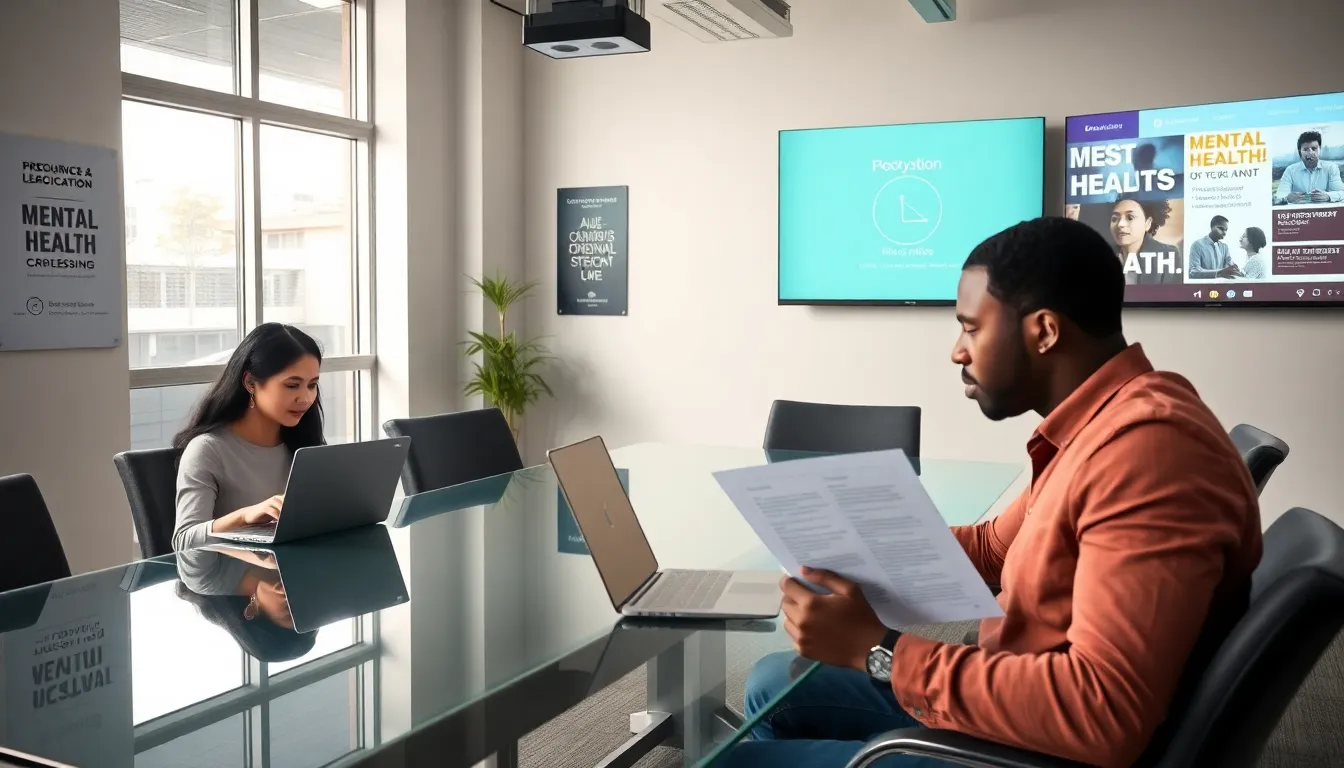
Mental health certifications serve as credentials that acknowledge knowledge and expertise in the mental health field. They are not just fancy pieces of paper: they represent hard work, dedication, and a commitment to understanding the complexities of mental health issues. These certifications can vary greatly in scope, focusing on everything from counseling techniques to specific disorders such as anxiety, depression, or addiction. They are suitable for both newcomers to the field and seasoned professionals looking to expand their toolkit.
Why should anyone care about obtaining a certification? As discussions around mental health move into mainstream conversations, professionals are discovering an increasing demand for qualified individuals who can address emotional well-being. The right certification can set someone apart in a crowded job market, making it a worthy investment regardless of your current position.
Types of Mental Health Certifications Available Online
The variety of online mental health certifications is truly astounding. Here are some notable types:
1. Mental Health First Aid
This certification focuses on helping individuals recognize and respond to mental health crises. It equips them with skills to provide initial support, making it perfect for non-professionals as well.
2. Certified Mental Health Counselor (CMHC)
For those looking to investigate deeper into counseling, this certification offers extensive training in therapeutic practices.
3. Trauma-Informed Care Certification
Those interested in working with trauma survivors should consider this. It focuses on understanding the impact of trauma and how to respond appropriately.
4. Substance Abuse Counselor Certification
Ideal for individuals looking to work in addiction treatment, this certification provides specialized knowledge about substance abuse.
Learning about these options opens up pathways to various careers in areas such as public health, private practice, non-profit organizations, and more.
Benefits of Obtaining Mental Health Certifications Online
Online mental health certifications come with numerous benefits:
1. Flexibility
Finding time to study amidst a busy life can be challenging. Online programs allow individuals to learn at their own pace, fitting education around their schedule.
2. Accessibility
Geographical barriers disappear when courses are offered online. No need to commute or relocate: knowledge is just a click away.
3. Diverse Learning Materials
Most online programs employ a variety of teaching methods, from videos to interactive quizzes, catering to different learning styles and keeping things engaging.
4. Cost-Effectiveness
Often, online certifications can be more affordable than traditional, in-person training. Students can also save money by avoiding travel or room and board fees.
5. Networking Opportunities
Many online programs include forums and discussion groups, fostering connections with peers and mentors, which can prove invaluable in building a future career.
How to Choose the Right Online Certification Program
Choosing the right online certification program can be daunting. Here are a few vital tips to consider:
1. Accreditation
Ensure that the program is accredited by a recognized body in the mental health sector. This lends credibility to the certification and may affect employability.
2. Curriculum Content
Evaluate the course content to ensure it aligns with personal interests and career objectives. Comprehensive programs should cover both theory and practical skills.
3. Instructor Experience
Research the qualifications and background of instructors. Learning from experienced professionals often enhances the educational experience.
4. Student Support Services
Robust student support, including career counseling, tutoring, and technical support, can significantly enhance the learning experience.
5. Reviews and Testimonials
Look for feedback from past students to gauge the overall effectiveness and quality of the program.
Steps to Getting Certified Online
- Research and Select a Program
Begin by identifying personal goals and researching programs that match these objectives. Consider factors such as accreditation, curriculum, duration, and cost.
- Complete the Application Process
Most programs will require an application, which may include personal information and prior educational history. Some may also require a statement of purpose or recommendation letters.
- Engage Actively in Courses
Once enrolled, participate fully. Attend all online sessions, engage in discussions, and complete assignments on time to maximize learnings.
- Prepare for Assessments
Most programs will culminate in an assessment. Make sure to review course materials thoroughly and practice skills learned throughout the program.
- Receive Certification
After successfully meeting all requirements, you will receive your certification, ready to make an impact in the field of mental health.
Challenges in Online Certification Programs
While online mental health certifications are enticing, they come with their own set of challenges:
1. Self-Discipline Required
Learning online demands a high level of self-motivation. Time management becomes crucial, you can’t just show up for class.
2. Limited Face-to-Face Interaction
Some students may find it difficult to connect with instructors or peers without the traditional classroom dynamic. Building relationships becomes more challenging.
3. Technical Issues
Encountering technical glitches can hinder learning. Reliability of internet connection and proficiency with online platforms is essential.
4. Varied Quality of Programs
Not all online programs are created equal: prospective students should thoroughly vet their options to avoid subpar courses.
Future Trends in Mental Health Certifications
The landscape of mental health certifications is evolving. Here are some trends to watch for:
1. Emphasis on Telehealth
As society embraces remote healthcare, new certifications focusing on teletherapy and virtual counseling techniques are emerging.
2. Cultural Competence Training
With increasing awareness of diversity and inclusion, many programs will begin incorporating cultural competence training to prepare professionals for diverse populations.
3. Integration of Technology
From AI in therapeutic practices to virtual reality training simulations, technology is becoming an integral part of mental health education.
4. Micro-Credentials
Fast, specialized certificates may gain traction, allowing individuals to upskill in specific areas without committing to full-length programs.


