

Imagine a world where your coffee maker knows exactly when you need a caffeine boost, and your thermostat adjusts to your mood faster than you can say “smart home.” Welcome to the fascinating intersection of Artificial Intelligence (AI) and the Internet of Things (IoT). These two tech titans are teaming up to create a future that’s not just smart but downright genius.
AI brings the brainpower, analyzing data and making decisions, while IoT connects everyday devices to the internet, turning them into savvy little helpers. Together, they’re transforming homes, cities, and industries, making life easier and more efficient. Buckle up as we dive into how this dynamic duo is reshaping our world and why you’ll want to keep an eye on them—because who wouldn’t want a fridge that knows when they’re out of snacks?
Overview of AI and IoT
Artificial Intelligence (AI) and the Internet of Things (IoT) create a powerful synergy that reshapes various aspects of life. AI analyzes data collected from IoT devices, enabling smarter decision-making processes. IoT connects everyday objects to the internet, allowing them to communicate and exchange information.
Smart homes transform daily living with devices like smart thermostats and security cameras. These gadgets gather data and adjust operations according to user behavior, providing comfort and safety. Industries benefit significantly from this collaboration too. Manufacturing equipment equipped with IoT sensors monitors performance metrics in real-time, which enhances operations and reduces downtime.
Cities embrace AI and IoT for improved services, like smart traffic management systems. These systems analyze traffic patterns and optimize signals to minimize congestion. Transportation systems, equipped with IoT, ensure more efficient route planning and reduced delays.
Healthcare adopters implement wearable devices that gather patient health data continuously. AI processes this information, offering actionable insights that promote better health outcomes. Retailers also leverage this technology duo, using customer behavior data from IoT devices to personalize shopping experiences.
Technological advancements in AI and IoT create possibilities like predictive maintenance in machines, autonomous vehicles, and intelligent energy management systems. This integration leads to resource optimization and elevates user experiences. As industries and consumers continue to embrace these technologies, the potential for innovation and growth remains vast.
The Integration of AI and IoT
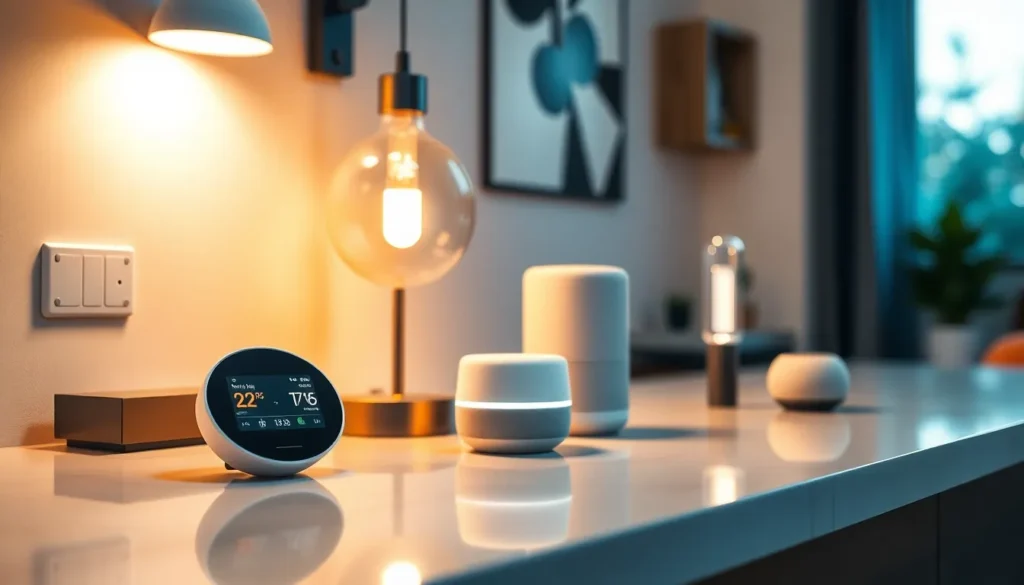
The convergence of AI and IoT creates significant advancements in various sectors. This integration not only enhances connectivity but also drives efficiency.
Benefits of Integration
AI analyzes vast amounts of data collected from IoT devices. Insights generated from this analysis enable informed decision-making. Smart homes see improved energy management, translating to cost savings and reduced waste. Industries achieve real-time monitoring of equipment, allowing for timely maintenance and increased productivity. Cities experience optimized traffic flow and reduced congestion through intelligent systems. In healthcare, AI and IoT equip providers with actionable data from wearable devices, fostering better patient outcomes. Retailers personalize shopping experiences by analyzing customer behavior, enhancing satisfaction and loyalty.
Challenges of Integration
Data privacy concerns arise when integrating AI and IoT technologies. Consumers worry about the misuse of sensitive information. Security vulnerabilities also pose risks, as connected devices become potential targets for cyberattacks. Interoperability issues can hinder seamless communication between diverse devices and platforms. Additionally, the complexity of implementing these technologies demands significant investment and expertise. Organizations often face scalability challenges, as they strive to expand integrations while maintaining performance. Addressing these obstacles is critical for maximizing the benefits of this dynamic partnership.
Use Cases of AI and IoT
AI and IoT together drive innovation across multiple sectors, enhancing efficiency and connectivity. Various applications showcase their transformative potential.
Smart Homes
Smart devices create responsive living environments. Smart thermostats adjust heating and cooling based on user habits, optimizing energy consumption. Connected security cameras offer real-time monitoring, enhancing safety. Voice-activated assistants streamline daily tasks by controlling devices seamlessly. Automation of lighting and appliances increases convenience and reduces energy waste, demonstrating the power of integration.
Industrial Automation
Industrial operations benefit significantly from AI and IoT integration. Real-time monitoring of equipment through IoT sensors enables predictive maintenance, reducing downtime. AI analyzes data patterns to optimize manufacturing processes, leading to increased productivity. Supply chain management becomes more efficient with smart tracking systems that adapt to demand fluctuations. Additionally, safety improves with monitoring systems that detect potential hazards.
Healthcare Solutions
In healthcare, wearable devices gather essential patient data continuously. Real-time analysis by AI translates this data into actionable insights for better health management. Remote monitoring tools empower healthcare providers to track patient conditions effectively, enhancing treatment plans. Predictive analytics identify risks and suggest preventative measures, improving overall patient outcomes. AI-driven diagnostics streamline processes, ensuring timely interventions.
Future Trends in AI and IoT
The synergy between AI and IoT continues to evolve, opening doors to innovative applications. Emerging technologies play a crucial role in shaping this future.
Emerging Technologies
Edge computing is enabling faster data processing by bringing computation closer to the IoT devices. This reduces latency, enhancing real-time decision-making capabilities. 5G networks are also transforming connectivity, allowing for high-speed, low-latency communication between devices. Machine learning algorithms improve predictive analytics, enabling IoT systems to adapt effectively to data trends. Blockchain technology offers enhanced security for device interactions, ensuring data integrity in IoT environments. Together, these technologies create a robust framework for smarter, more autonomous systems.
Predictions for Growth
Experts project significant growth in AI and IoT solutions across various sectors. The market is expected to reach USD 1.5 trillion by 2030. Healthcare will likely see a surge in remote patient monitoring and telemedicine applications. Industries may adopt AI-driven predictive maintenance strategies, reducing downtime significantly. Smart cities are anticipated to integrate transportation and utility management systems more seamlessly. Retailers are predicted to personalize experiences further through AI insights into consumer behavior. Organizations that invest in these technologies will likely stay competitive in an increasingly digital marketplace.
The fusion of AI and IoT is reshaping the landscape of technology and daily life. As these innovations continue to develop they promise to enhance efficiency and connectivity across numerous sectors. Organizations that embrace this synergy will not only improve operations but also create smarter environments for users.
While challenges like data privacy and interoperability remain, the potential benefits far outweigh the hurdles. With ongoing advancements like edge computing and 5G, the future of AI and IoT looks promising. Staying ahead in this dynamic market will require adaptability and investment in these transformative technologies. The journey has just begun and the possibilities are endless.


